inshore wrecks
shallow profiles, amazing dives, big animal encounters
THE EXPERIENCE
SHORTER RIDES. SHALLOWER WRECKS. INCREDIBLE MARINE LIFE.
You don't have to venture far offshore to experience some of the best wreck diving North Carolina has to offer. Departing from Wrightsville Beach, our inshore wreck diving charters feature shorter boat rides, shallower depths, and spectacular underwater experiences. These accessible dive sites are ideal for newly certified scuba divers, divers looking to build their experience, and seasoned divers who enjoy a more relaxed day on the water.
Our inshore dive sites feature a fascinating combination of naturally sunken shipwrecks and vessels intentionally deployed as part of North Carolina's artificial reef program. Many of these wrecks remain remarkably intact, with recognizable structures and exterior layouts that are relatively easy to navigate.
Believe it or not, these are some of our absolute favorite wrecks to dive! The incredible abundance of marine life is what makes our inshore wrecks so special. These sites are known for their populations of sand tiger sharks, massive schools of baitfish, barracuda, amberjack, grouper, sea bass, and a diverse variety of other fish species.
Every inshore wreck charter is a unique adventure. Rather than scheduling trips around a predetermined shipwreck, we select our dive destinations the morning of departure based on input from the divers on board, weather and sea conditions, and the captain's assessment.
trip details and requirements
- 10-22 miles offshore of Wrightsville Beach
- MAX Depth: 40-85ft
- Open Water REQUIRED
- Variable currents and visibility
- Required Equipment: Basic SCUBA Gear
- Wrecks dived are decided on the boat
- PERFECT FOR BEGINNERS
- Sand Tiger Sharks!
Rental tanks availble at booking
OUR INSHORE WRECKS
We may explore one, two, or a combination of these dive sites on a single Inshore Wrecks charter. Dive sites are selected the morning of departure based on suggestions from the divers on board and the prevailing ocean conditions.
| Dive Site | Distance Offshore | Approx. Depth |
|---|---|---|
| Hyde | 18 miles | 55–85 ft |
| Markham | 18 miles | 50–85 ft |
| Schoolhouse | 18 miles | 75–85 ft |
| Stone Tug | 14 miles | 50–65 ft |
| Playa (Dredge Wreck) | 14 miles | 55–65 ft |
| Brian Davis Wreck | 18 miles | 60–80 ft |
| Pocahontas | 14 miles | 55–65 ft |
| John D. Gill (+$25) | 25 miles | 75–95 ft |
Click on any dive site to learn more about its
history and diving experience.
The John D. Gill requires an additional $25
charter upgrade.
Dive site selection is subject to diver
qualifications, weather, sea conditions,
and the captain's discretion.
THE HYDE
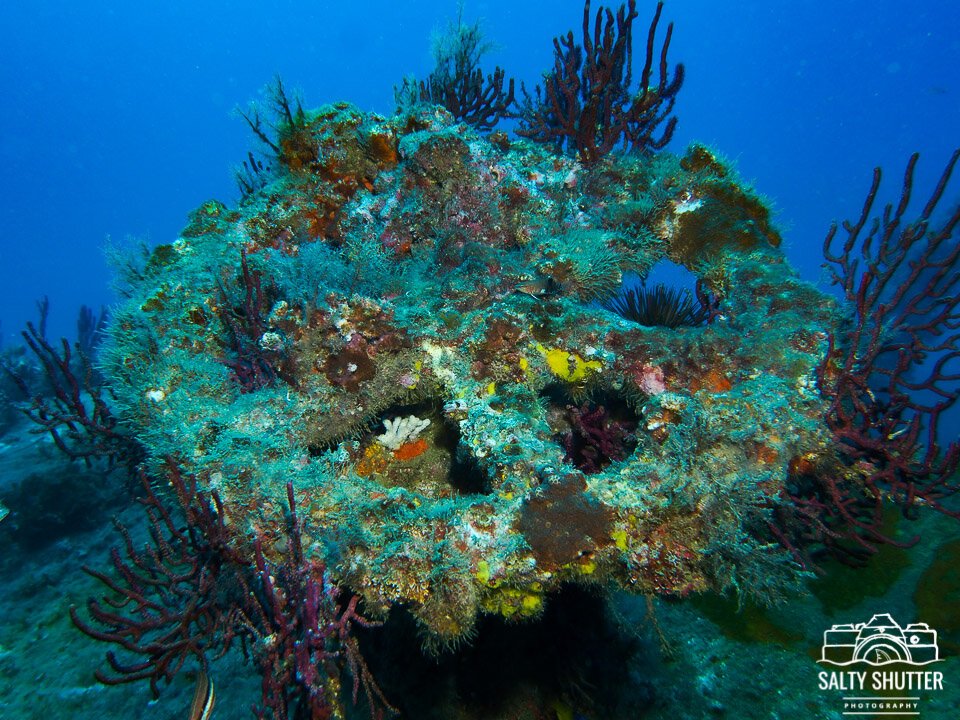
Built in 1945, the Hyde was a 215-foot ocean-going hopper dredge operated by the U.S. Army Corps of Engineers. After decades of service, the vessel was intentionally sunk in May of 1988 as part of North Carolina's artificial reef program. Today, it is one of the most popular and recognizable shipwrecks off Wrightsville Beach.
The Hyde rests upright on the ocean floor in approximately 85 feet of water, with much of its structure still intact. Its recognizable decks, prominent superstructure, and relatively straightforward exterior layout make it an excellent wreck for divers looking to build their experience, as well as seasoned wreck diving enthusiasts.
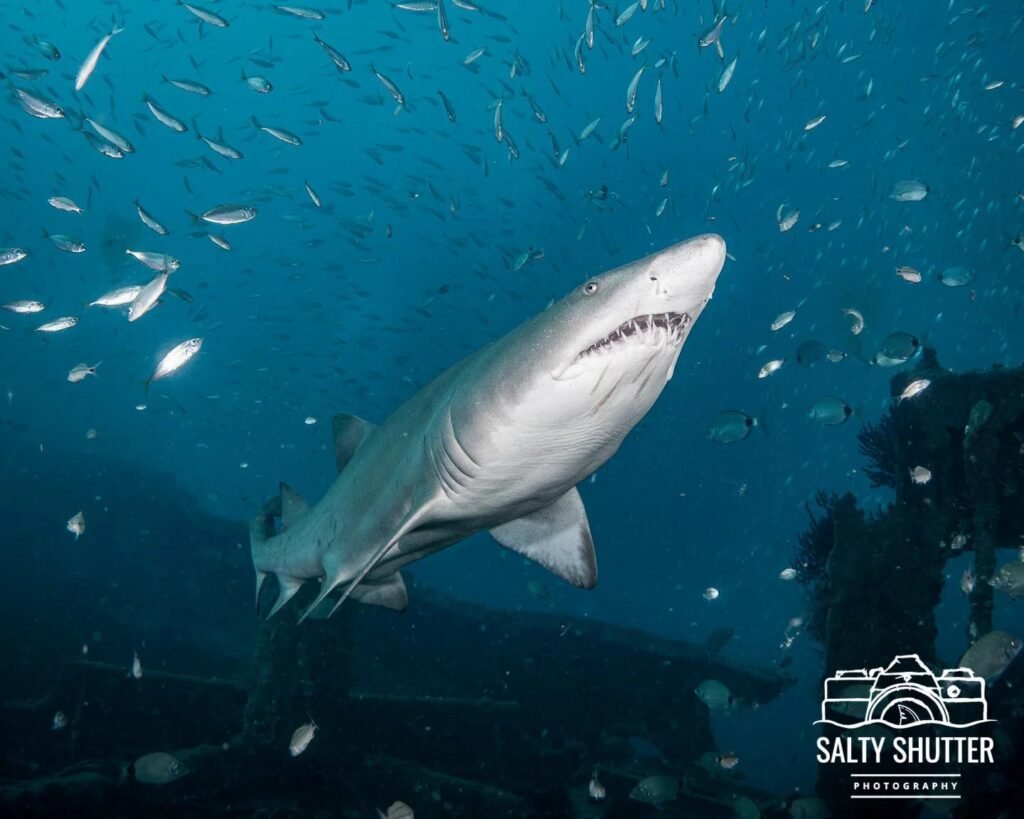
The Hyde is one of our favorite wrecks to dive due to its incredible abundance of marine life. Sand tiger sharks frequently congregate around the wreck, particularly during the warmer months, alongside massive schools of baitfish, barracuda, amberjack, grouper, and numerous other fish species. The combination of impressive structure and thriving marine life makes the Hyde an exceptional destination for underwater photography and shark encounters.
THE MARKHAM
Built in 1960, the Markham was a massive ocean-going hopper dredge operated by the U.S. Army Corps of Engineers. After decades of service maintaining navigable waterways, the vessel was intentionally sunk on October 20, 1995, as part of North Carolina's artificial reef program. At over 300 feet in length, the Markham is one of the largest inshore wrecks off Wrightsville Beach.
Unlike the nearby Hyde, the Markham rests on its port side, creating a dramatically different underwater landscape. Its enormous hull, exposed propeller, rudder, and towering steel structures make for an impressive underwater experience. The substantial vertical relief allows appropriately certified divers to explore different portions of the wreck at a variety of depths.
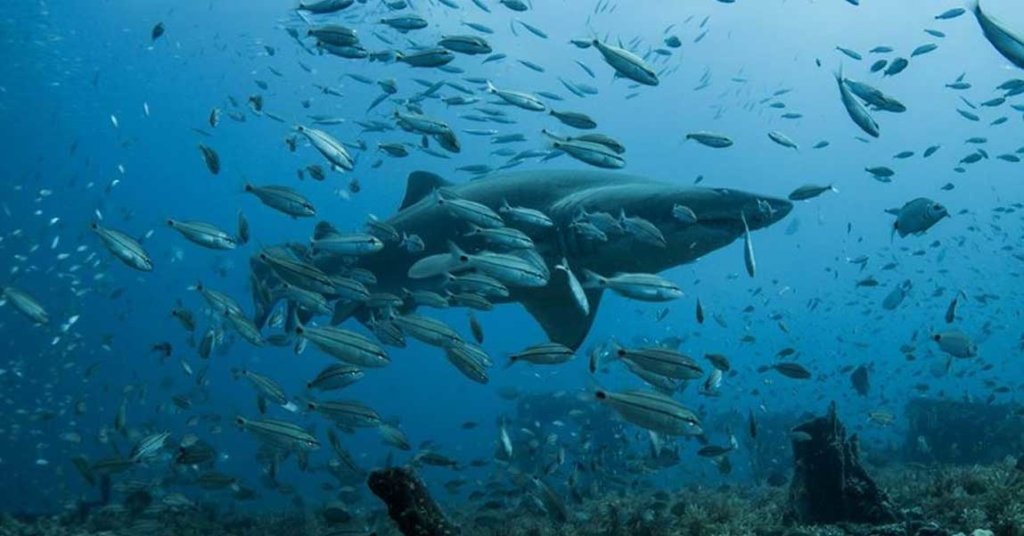
Decades beneath the Atlantic Ocean have transformed the Markham into a thriving marine ecosystem. Large schools of baitfish, amberjack, African pompano, barracuda, mackerel, and sand tiger sharks can all be encountered around the wreck. Located within the same artificial reef system as the Hyde and Schoolhouse, the Markham offers an excellent combination of impressive wreck structure, abundant marine life, and underwater photography opportunities.
THE SCHOOLHOUSE
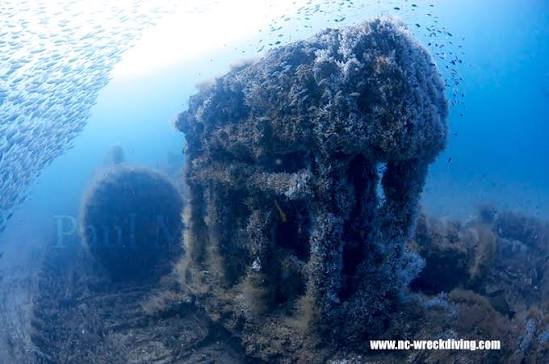
Originally known as the Alton A. Lennon, the Schoolhouse was a 150-foot former World War II-era barge that was repurposed as a floating classroom and marine science laboratory along the Wilmington waterfront. Students studying marine technology received hands-on training aboard the vessel before it was intentionally sunk in 1987 as part of North Carolina's artificial reef program.
Today, the Schoolhouse rests in approximately 80 feet of water within the Lennon/Hyde artificial reef system, alongside the Hyde and Markham. Its relatively compact footprint makes it an enjoyable wreck to explore, offering a different underwater landscape from the larger dredges located nearby. The close proximity of these three wrecks allows us to visit multiple dive sites during a single inshore wreck charter.
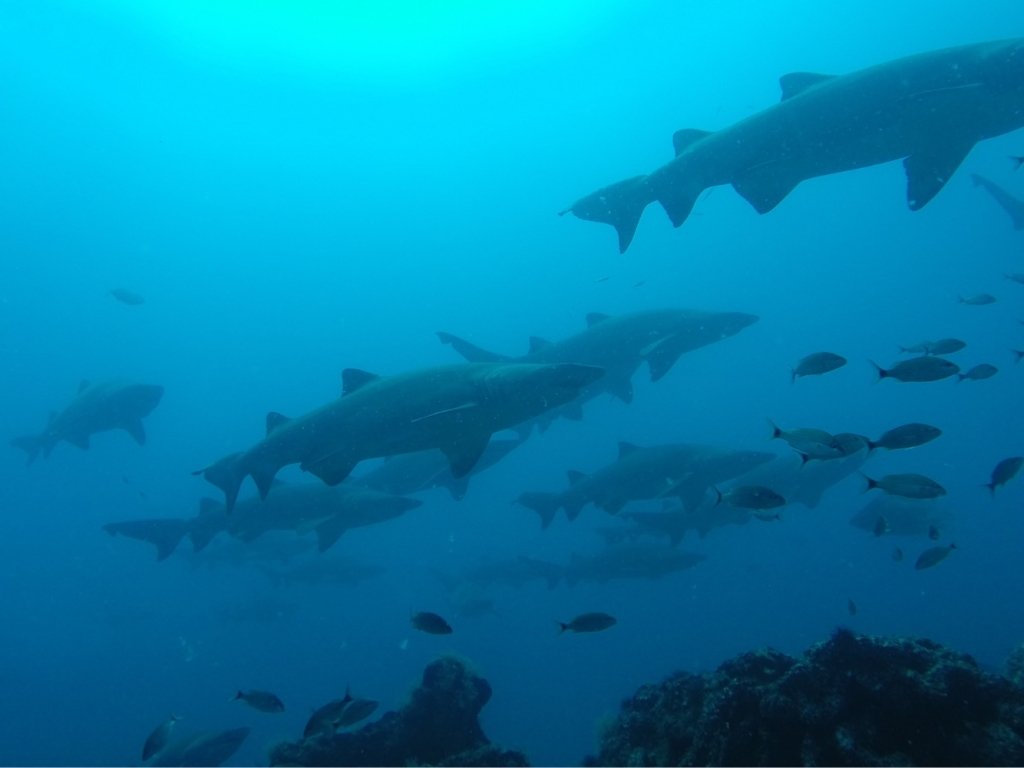
Like its neighboring wrecks, the Schoolhouse attracts an incredible variety of marine life. Sand tiger sharks are frequent visitors, particularly during the summer months, while large schools of baitfish, barracuda, amberjack, grouper, and black sea bass inhabit the surrounding reef system. Its unique local history and thriving marine ecosystem make the Schoolhouse another fantastic destination for wreck divers and underwater photographers.
THE STONE TUG
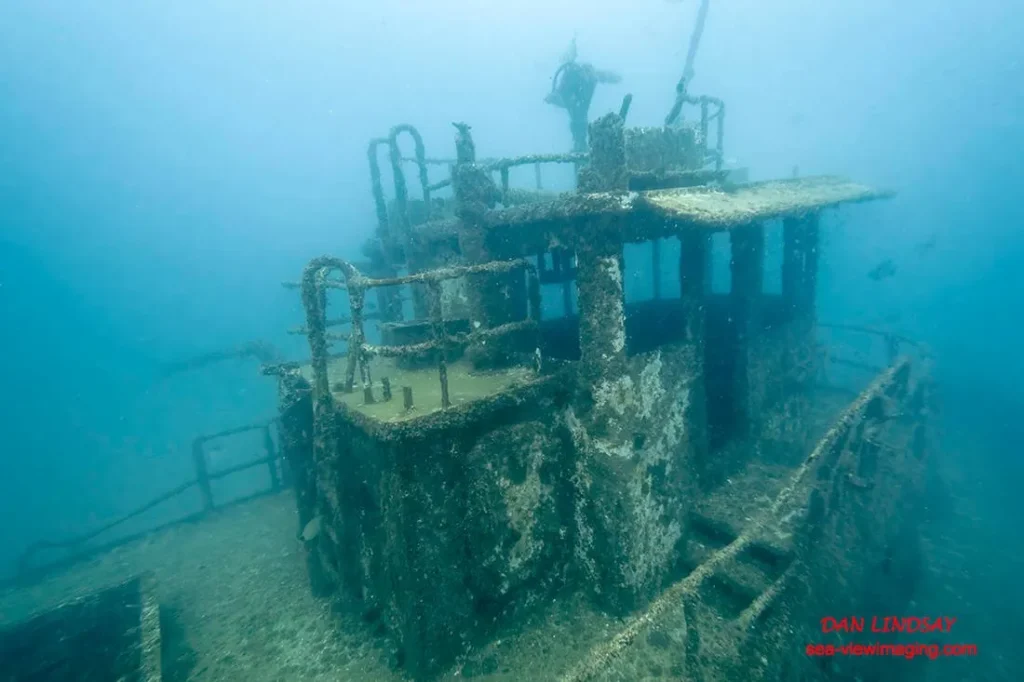
The Stone Tug is an approximately 85-foot former working tugboat that was intentionally sunk in 1985 as part of North Carolina's artificial reef program. Resting upright in approximately 65 feet of water, the Stone is located near the Playa and Pocahontas wrecks, making it an excellent destination for a multi-wreck diving charter departing from Wrightsville Beach.
Although decades of exposure to Atlantic storms have altered portions of the wreck, much of its recognizable hull remains. In 2003, storm activity separated the wheelhouse from the main vessel, creating an additional area of wreckage alongside the tug. Its compact footprint and relatively shallow depth make exterior exploration manageable for divers with the appropriate training and experience.
Despite its smaller size, the Stone Tug supports an impressive concentration of marine life. Sand tiger sharks are frequently encountered during the warmer months, while schools of baitfish and a variety of coastal reef fish surround the wreck. Its manageable size, shorter boat ride, and excellent opportunities for marine life encounters make the Stone Tug a fantastic introduction to wreck diving off the North Carolina coast.
THE PLAYA (DREDGE WRECK)
The Playa, commonly referred to by local divers as the Old Dredge Wreck, is a popular inshore dive site located off the coast of Carolina Beach. Situated approximately 14 miles from Masonboro Inlet, the wreck lies within a few hundred yards of the Stone Tug and Pocahontas, forming a cluster of shipwrecks that provide excellent opportunities for a multi-wreck diving adventure.
Resting in approximately 65 feet of water, the Playa offers divers an opportunity to explore submerged industrial wreckage while enjoying the benefits of a relatively shallow dive site. Its manageable depth and shorter distance offshore make it an attractive destination for divers looking to develop their wreck diving experience within their certification limits.
Like many of our favorite inshore wrecks, the Playa provides valuable habitat for a diverse range of marine species. Divers have opportunities to encounter sand tiger sharks, large schools of baitfish, barracuda, black sea bass, sheepshead, and other coastal reef fish. The abundance of marine life throughout this wreck system makes the Playa an excellent destination for underwater photographers and divers looking to experience the rich marine biodiversity of coastal North Carolina.
THE BRIAN DAVIS WRECK
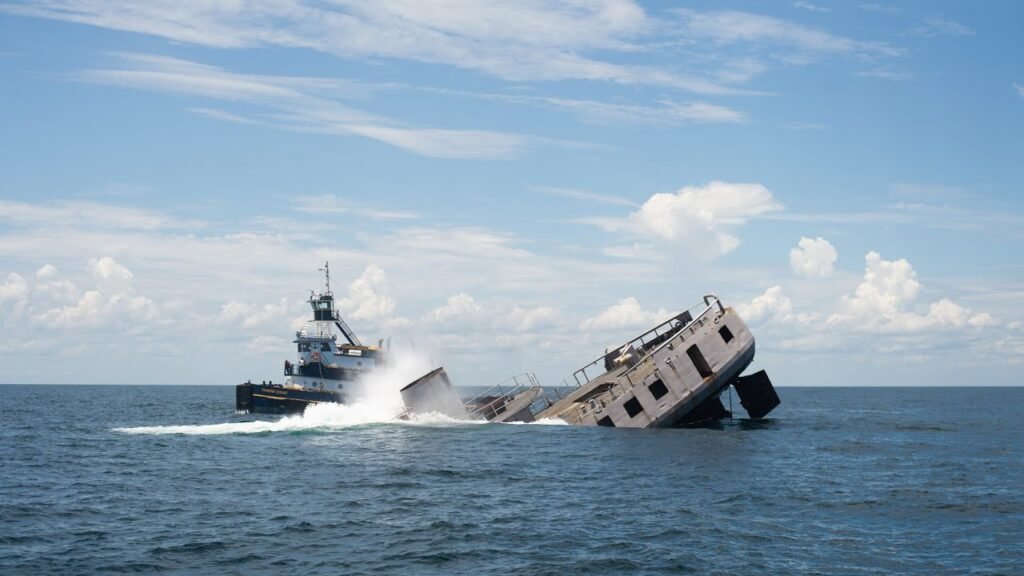
Originally commissioned in 1944 as the USCGC Salvia, the Brian Davis is a 180-foot former United States Coast Guard buoy tender. The vessel served for nearly five decades before being decommissioned in 1991 and subsequently transferred to the U.S. Navy for salvage training. On July 24, 2020, the vessel was intentionally sunk as part of North Carolina's artificial reef program, making it one of the newer shipwrecks accessible from Wrightsville Beach.
This wreck holds a particularly special meaning within our local diving community. Brian was a great friend of ours and it's always a special day when we get to visit this wreck. The vessel was renamed in honor of Brian Davis, a passionate local diver, freediver,and spearfisherman who lost his life in a diving accident in 2017. The memorial reef was created to honor his legacy and provide generations of divers with a place to share his love for the ocean.
Today, the Brian Davis provides an impressive underwater structure and a thriving habitat for marine life. Its large hull, recognizable decks, and steel structures offer excellent opportunities for exterior wreck exploration. Schools of baitfish, barracuda, amberjack, grouper, and other reef species can be found throughout the artificial reef system, with opportunities for shark encounters as well. Its relatively shallow depth and substantial size make the Brian Davis an exciting destination for wreck divers and underwater photographers.
JOHN D. GILL
The John D. Gill, commonly referred to by local divers as the Gill or WR-4, was a massive American oil tanker that fell victim to the German U-boat U-158 in March of 1942 during World War II. More than 520 feet in length, the Gill is one of the largest shipwrecks accessible to recreational divers off the North Carolina coast. Its tragic history serves as a powerful reminder of the Battle of the Atlantic and the dangers faced by merchant mariners during the war.
Decades of exposure to the Atlantic Ocean have transformed the tanker into an expansive field of historic wreckage. Although the vessel is broken into two major sections, its recognizable bow, massive hull plates, anchor chain, and extensive steel structures provide an impressive underwater landscape. The sheer size of the Gill makes it nearly impossible to experience everything the wreck has to offer in a single dive.
The Gill is also renowned for its exceptional marine life. Sand tiger sharks and sandbar sharks are regularly sighted around the wreck, while schools of amberjack, barracuda, Atlantic spadefish, grouper, and colorful tropical fish inhabit its structures. Rays and sea turtles may also be encountered, making the wreck a fantastic destination for underwater photography and marine life enthusiasts.
Located slightly farther offshore than our other inshore wrecks, the John D. Gill offers appropriately certified divers an exciting opportunity to explore a larger, deeper, and historically significant shipwreck without committing to one of our longer offshore wreck charters. A $25 charter upgrade applies when visiting this destination.